
10 Easy Ways to Keep Your Pet Healthy and Happy
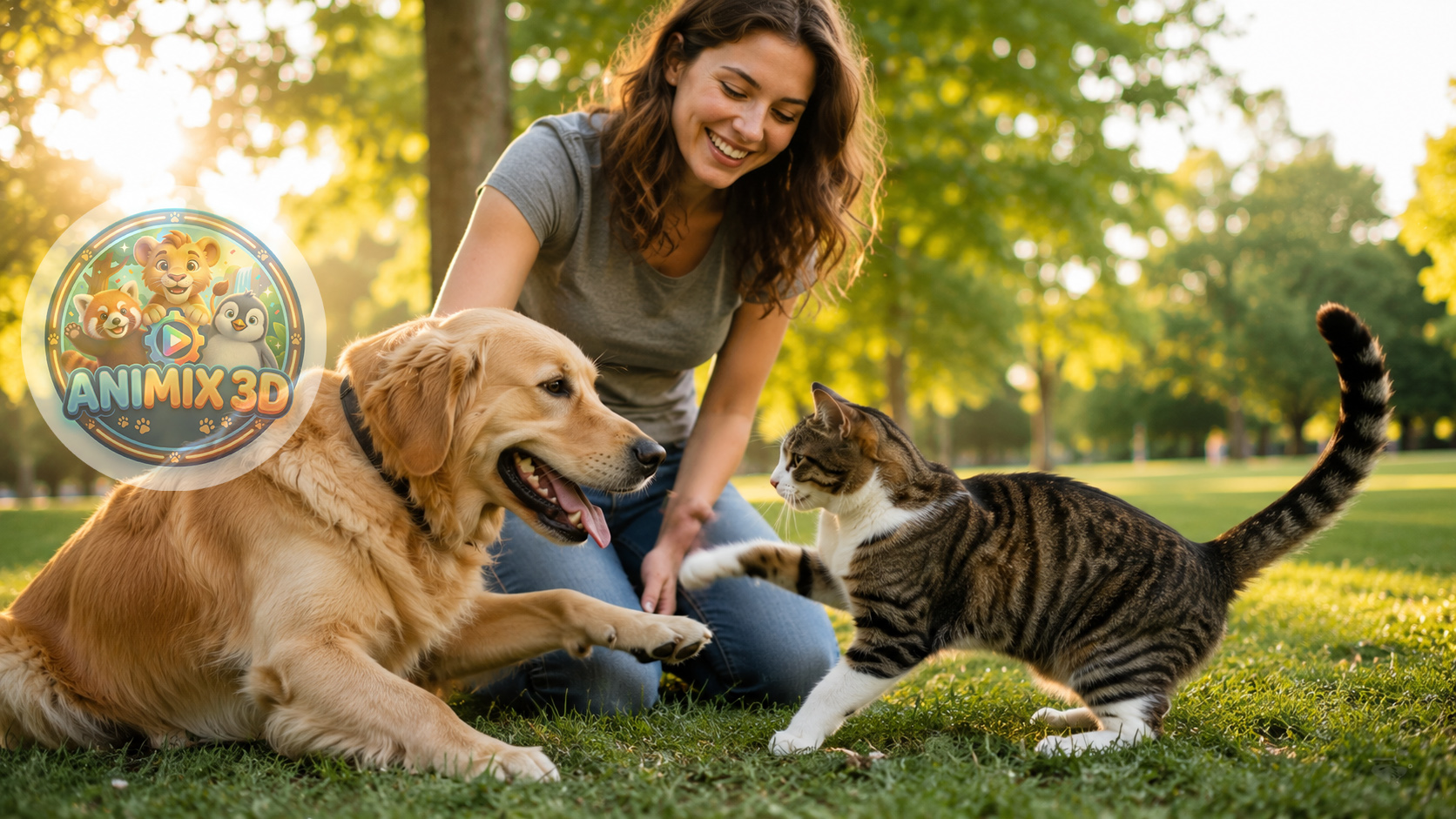
10 Easy Ways to Keep Your Pet Healthy and Happy
Pets are more than just animals living in our homes. For many people, they become part of the family. Whether you own a playful dog, a curious cat, colorful birds, fish, or small pets, keeping them healthy and happy should always be a top priority.
A healthy pet usually lives longer, feels better, and creates stronger bonds with owners. While many people focus only on food and shelter, pet wellness involves much more. Exercise, emotional care, hygiene, and regular attention all contribute to a pet’s overall quality of life.
The good news is that keeping pets healthy doesn’t always require expensive products or complicated routines. Small daily habits can make a huge difference.
Here are ten easy ways to improve your pet’s health and happiness.
1. Provide Balanced Nutrition
Food plays one of the biggest roles in your pet’s health.
Different animals have different nutritional needs. Dogs, cats, birds, rabbits, and fish all require specific diets.
Choose quality food appropriate for:
- Age
- Size
- Breed
- Activity level
- Health condition
Avoid overfeeding because excess weight can lead to health problems including:
- Heart disease
- Diabetes
- Joint issues
- Reduced lifespan
Fresh water should also remain available at all times.
A healthy diet forms the foundation for a healthy life.
2. Keep Your Pet Active
Exercise is essential for both physical and mental health.
Dogs benefit from daily walks and play sessions.
Cats enjoy chasing toys and climbing structures.
Regular activity helps:
- Maintain healthy weight
- Strengthen muscles
- Reduce boredom
- Improve mood
- Prevent behavioral problems
Even indoor pets need opportunities for movement.
Simple playtime each day creates major benefits.
3. Schedule Regular Veterinary Checkups
Many health problems become easier to treat when discovered early.
Routine veterinary visits help monitor:
- Weight changes
- Dental health
- Vaccinations
- Parasite prevention
- General wellness
Even healthy-looking pets should receive periodic checkups.
Preventive care often saves money and improves long-term health.
4. Maintain Proper Grooming
Grooming does more than improve appearance.
Regular grooming supports hygiene and comfort.
Depending on your pet, grooming may include:
- Brushing fur
- Nail trimming
- Ear cleaning
- Bathing
- Coat inspection
Long-haired pets particularly benefit from regular brushing.
Grooming also helps owners detect unusual skin conditions or parasites early.

5. Give Plenty of Love and Attention
Pets thrive on interaction.
Social animals especially need emotional connection.
Spending quality time with pets strengthens trust and reduces loneliness.
Simple activities include:
- Petting
- Talking
- Playing
- Training
- Relaxing together
Emotional well-being contributes significantly to overall health.
6. Keep Living Spaces Clean
Clean environments reduce exposure to harmful bacteria and parasites.
Regularly clean:
- Food bowls
- Water containers
- Bedding
- Cages
- Litter boxes
- Toys
Maintaining hygiene prevents unpleasant odors and health issues.
A clean home also creates more comfortable conditions for pets.
7. Support Mental Stimulation
Mental exercise matters as much as physical activity.
Bored pets may develop stress or destructive behaviors.
Ways to stimulate pets include:
- Puzzle toys
- Training exercises
- Interactive games
- New environments
- Hidden treats
Curiosity keeps animals engaged and mentally healthy.
8. Watch for Behavioral Changes
Pets often communicate discomfort through behavior.
Pay attention to sudden changes such as:
- Reduced appetite
- Unusual aggression
- Excessive sleeping
- Lack of energy
- Hiding behavior
These signs may indicate stress or health concerns.
Early observation can help identify problems before they become serious.
9. Protect Against Parasites
Fleas, ticks, worms, and parasites can create major health problems.
Prevention measures include:
- Veterinary recommendations
- Regular inspections
- Clean environments
- Preventive treatments
Protecting pets from parasites improves comfort and reduces disease risks.
10. Create Safe Environments
Homes contain hidden dangers for animals.
Keep harmful items away including:
- Toxic plants
- Medications
- Small objects
- Dangerous chemicals
- Human foods unsafe for pets
Pet-proofing living spaces reduces accidents and injuries.
Safety should always remain a priority.
Bonus Tip: Understand Your Pet’s Needs
Every animal possesses unique personality traits and preferences.
Some pets love social interaction.
Others prefer quiet environments.
Learning your pet’s habits helps provide better care.
Observation builds stronger relationships and improves quality of life.
Conclusions
Keeping pets healthy and happy doesn’t require complicated methods.
Daily habits such as good nutrition, exercise, grooming, emotional care, and routine checkups create long-term benefits.
Pets provide companionship, loyalty, and joy throughout our lives.
In return, they deserve attention, protection, and proper care.
Small efforts today can lead to healthier and happier years ahead for both pets and owners.
FAQ
How often should pets visit a veterinarian?
Most pets benefit from annual checkups, though age and health conditions may require more frequent visits.
How much exercise do pets need?
Requirements vary depending on species, breed, and age.
Why is mental stimulation important?
Mental activities reduce boredom and support emotional well-being.
Can poor diet affect pet behavior?
Yes. Nutrition can influence energy levels, mood, and overall health.


Leave a Comment