
Why Cats Sleep So Much: The Science Behind Feline Behavior
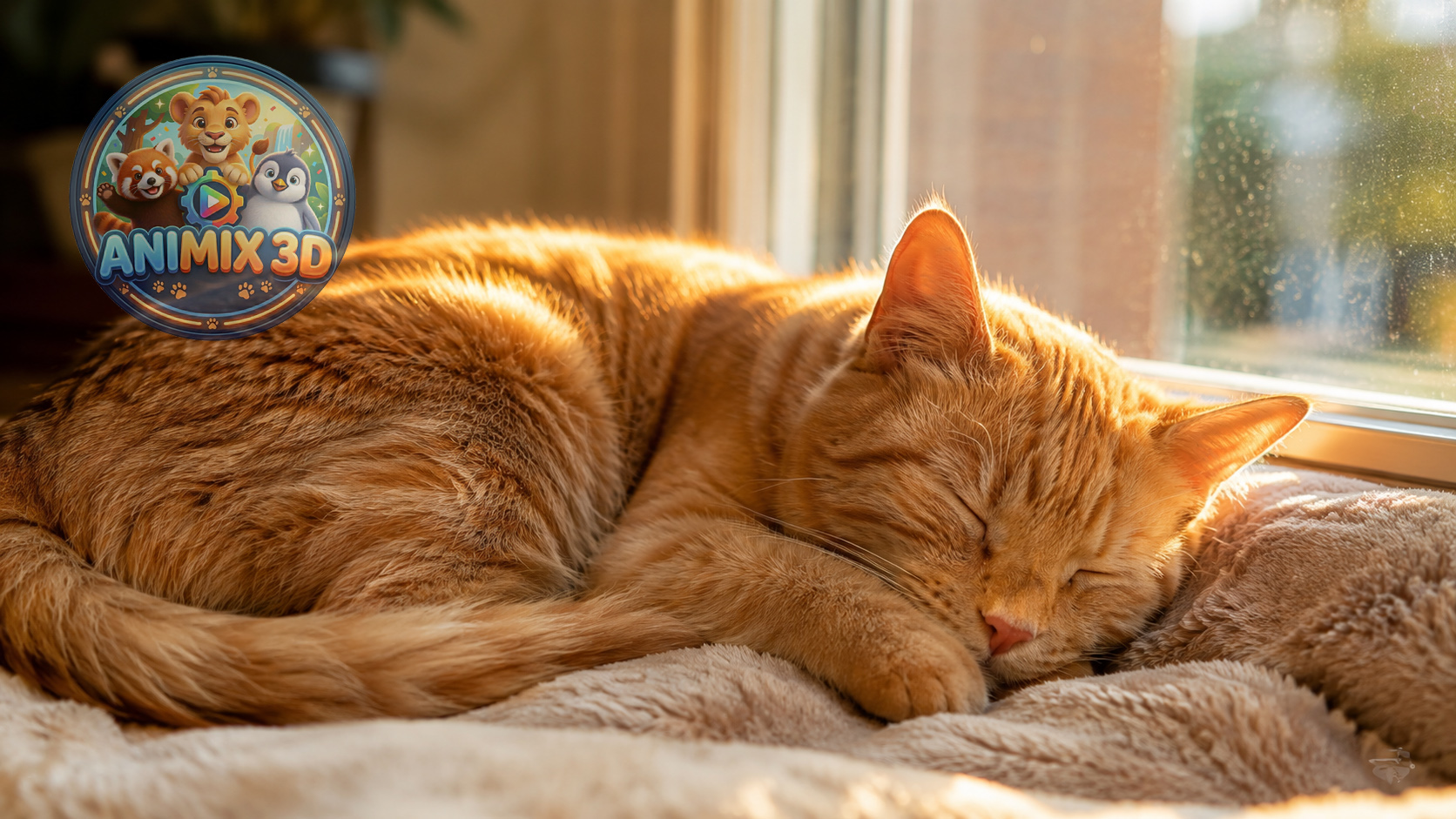
Why Cats Sleep So Much: The Science Behind Feline Behavior
If you own a cat, you’ve probably noticed one thing very quickly: cats seem to sleep all the time. You wake up and find your cat sleeping on the couch. A few hours later, it’s sleeping on a chair. In the evening, it may move to a different location and continue sleeping there too.
Many cat owners wonder if this behavior is normal. Is their pet lazy? Is something wrong? Or do cats simply enjoy sleeping more than other animals?
The truth is that cats naturally sleep a lot, and science offers fascinating explanations behind this behavior. Their sleeping habits are deeply connected to evolution, hunting instincts, age, energy conservation, and biology.
Let’s explore why cats spend so much of their lives asleep and what this reveals about our feline companions.
Cats Sleep Much More Than Humans
Humans generally sleep around 7–9 hours per day. Cats, however, often sleep between 12 and 16 hours daily, while some cats can sleep even longer.
Kittens and senior cats may sleep up to 20 hours each day.
That sounds extreme, but for cats, it’s completely normal.
Unlike people, cats evolved with different lifestyles and survival strategies. Sleep helps them conserve energy and prepare for periods of activity.
Cats Are Natural Predators
One of the biggest reasons cats sleep so much comes from their ancestry.
Even domestic cats retain many behaviors from wild cats.
Cats are predators designed for short bursts of intense activity. Hunting requires enormous amounts of energy. Stalking prey, waiting patiently, chasing targets, and attacking quickly all demand physical effort.
Wild cats cannot afford wasting energy.
To compensate, they conserve power by resting frequently.
Although your pet cat probably receives food in a bowl and doesn’t hunt for survival, millions of years of evolution still influence behavior today.
In other words, your cat’s body still operates like a tiny hunter.
Cats Are Crepuscular Animals
Many people assume cats are nocturnal, but technically they are crepuscular.
This means they become most active during:
- Early morning
- Sunrise
- Evening
- Dusk
Wild prey animals often move during these times, making them ideal hunting hours.
Because cats naturally become more active at dawn and sunset, they may sleep heavily during other parts of the day.
This explains why some cats suddenly race around the house late at night or wake owners at sunrise.
Their biological clock follows instincts inherited from ancestors.
Cats Experience Different Sleep Stages
Cats do not remain deeply asleep the entire time.
Like humans, cats experience multiple sleep stages.
Light Sleep
About three-quarters of a cat’s sleep occurs in light sleep.
During this state, cats remain partially alert.
You may notice:
- Ear movement
- Small tail movements
- Sudden eye opening
- Twitching whiskers
Even while resting, cats stay prepared to react quickly if danger appears.
This alertness comes from survival instincts.
Deep Sleep
Cats also experience deeper sleep periods.
Deep sleep usually lasts around five to thirty minutes.
During deep sleep, physical restoration occurs and the brain processes information.
You may notice twitching paws or body movements.
Cats can even dream during these stages.
Scientists believe dream activity may help process memories and experiences.
Older Cats Need Extra Rest
Senior cats frequently sleep longer too.
As cats age, they become less active and tire more easily.
Energy levels naturally decrease over time.
Older cats may spend additional time resting because:
- Movement requires more effort
- Metabolism changes
- Joint discomfort can occur
- Recovery becomes slower
Extra sleep often becomes a normal part of aging.
However, sudden major behavior changes should still be monitored.
Kittens Sleep Even More
If you have a kitten, don’t be surprised if it seems asleep constantly.
Young kittens often sleep up to 20 hours daily.
Rapid growth requires enormous energy.
While sleeping, kittens support:
- Brain development
- Muscle growth
- Immune system strengthening
- Physical recovery
Sleep plays a critical role during early development.
A healthy kitten sleeping often is usually perfectly normal.
Weather Can Affect Cat Sleeping Habits
Do you Believe it or not, weather may influence your cat’s behavior.
Many owners notice cats becoming sleepier during:
- Rainy days
- Cold weather
- Cloudy conditions
Scientists are still researching this effect, but reduced stimulation and environmental changes may play a role.
Humans sometimes feel less energetic during gloomy weather too.
Cats may experience similar responses.
Indoor Cats Sleep More
Indoor cats usually have fewer activities than outdoor cats.
Wild or outdoor cats constantly explore, hunt, and patrol territories.
Indoor cats enjoy safer environments but often experience less stimulation.
Without enough play and exercise, boredom may increase sleep duration.
Providing enrichment helps keep cats mentally active.
Examples include:
- Interactive toys
- Cat trees
- Climbing shelves
- Puzzle feeders
- Play sessions
Mental stimulation supports healthier activity patterns.
When Should Cat Owners Be Concerned?
Although sleeping a lot is normal, sudden changes deserve attention.
Consult a veterinarian if your cat:
- Suddenly sleeps far more than usual
- Stops eating
- Appears weak
- Avoids interaction
- Experiences weight loss
- Shows unusual behavior
Excessive sleep combined with other symptoms could indicate illness.
Possible causes may include:
- Infections
- Stress
- Pain
- Digestive problems
- Medical conditions
Changes in behavior often provide early clues.
Tips for Maintaining Healthy Sleep Habits
Cat owners can encourage healthy routines through simple habits.
Create a Comfortable Sleeping Space
Cats prefer warm, safe, and quiet locations.
Provide soft sleeping areas away from noise.
Offer Mental Stimulation
Curiosity keeps cats active and engaged.
Rotate toys occasionally to prevent boredom.
Encourage Exercise
Daily activity helps maintain balanced energy levels.
Play sessions with toys encourage movement.
Maintain Consistent Feeding Schedules
Routine feeding supports regular behavior patterns.
Final Thoughts
Cats may seem lazy when they spend half the day sleeping, but their behavior has strong biological roots.
Their hunting instincts, evolutionary history, sleep cycles, and energy conservation strategies all contribute to long sleeping hours.
Whether your cat sleeps on windowsills, couches, beds, or sunny spots on the floor, most of this behavior is perfectly normal.
The next time you see your cat curled up peacefully during the afternoon, remember: your tiny pet still carries the instincts of a skilled hunter.
FAQ
How many hours should cats sleep daily?
Most cats sleep between 12–16 hours per day.
Do cats dream while sleeping?
Research suggests cats likely experience dream activity during deep sleep.
Why do cats run around at night?
Cats are naturally more active during dawn and dusk due to hunting instincts.
Is it normal for kittens to sleep all day?
Yes. Kittens can sleep up to 20 hours daily during development.



Leave a Comment