
Endangered Animals That Could Disappear in Our Lifetime
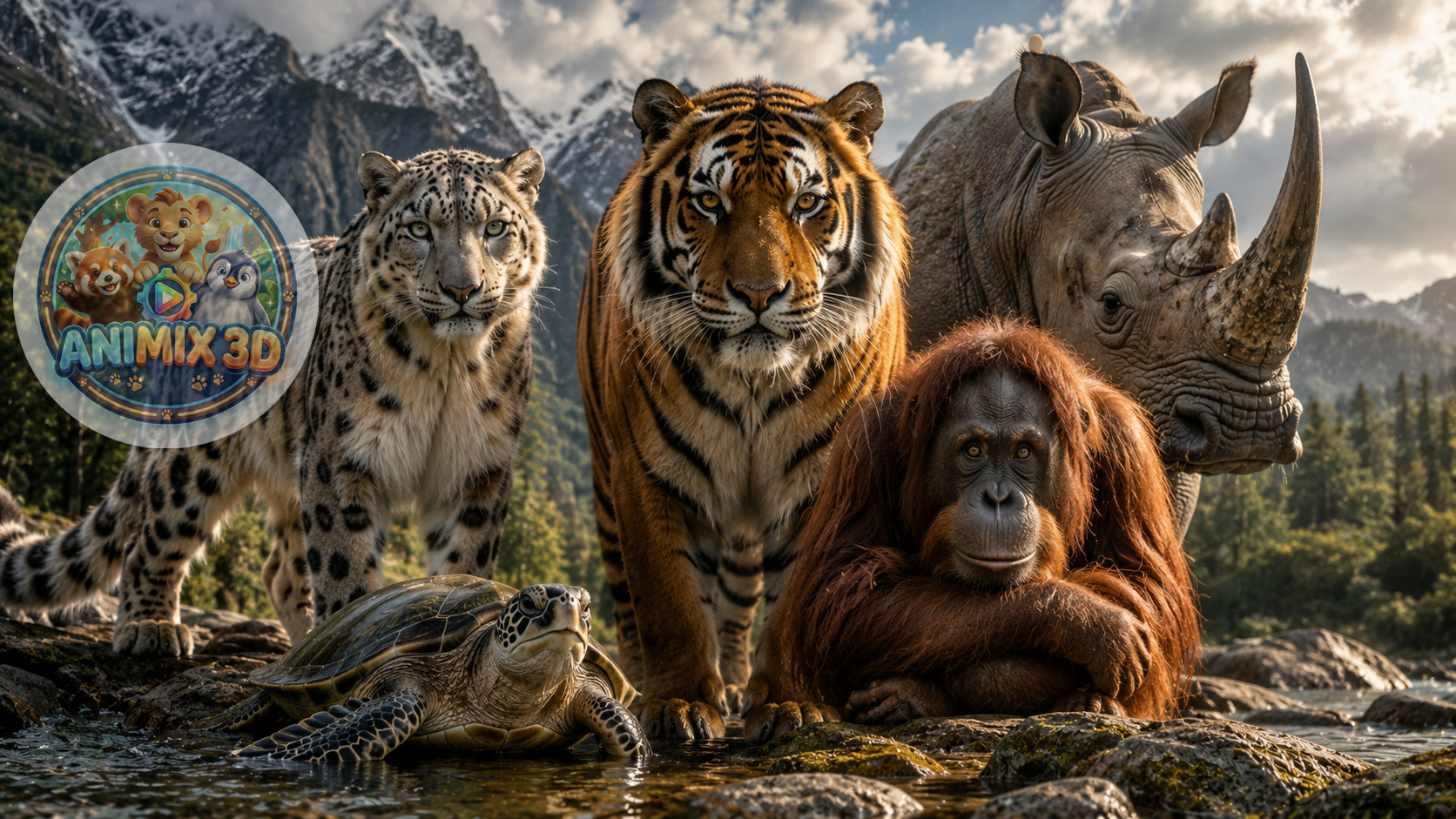
Endangered Animals That Could Disappear in Our Lifetime
The Earth is home to millions of species, each playing an important role in maintaining the balance of nature. However, many animals today face serious threats that place them at risk of extinction. Human activities, climate change, habitat destruction, and illegal hunting have caused wildlife populations to decline at alarming rates.
Scientists warn that if current trends continue, some species could disappear within our lifetime. Losing these animals would not only reduce biodiversity but also disrupt ecosystems that support life on our planet.
Here are some endangered animals facing an uncertain future and the reasons they urgently need protection.
1. Amur Leopard
The Amur leopard is considered one of the rarest big cats in the world.
Native to forests in parts of eastern Asia, this leopard possesses a thick coat adapted for cold climates. Its beautiful spotted fur has unfortunately made it a target for poachers.
Major threats include:
- Illegal hunting
- Habitat loss
- Forest fires
- Human expansion
Although conservation programs have helped increase numbers in recent years, populations remain fragile.
Protecting forest habitats remains essential for their survival.
2. Javan Rhinoceros
The Javan rhinoceros is among the rarest large mammals on Earth.
Unlike African rhinos, this species survives in a very limited area.
Habitat destruction and historical hunting dramatically reduced populations.
Natural disasters also present serious risks because so few individuals remain in a single region.
Conservation organizations continue monitoring and protecting these animals carefully.
3. Orangutans
Orangutans are highly intelligent primates known for their remarkable problem-solving skills and close genetic relationship to humans.
They spend much of their lives in trees and rely heavily on rainforest ecosystems.
However, rainforests continue disappearing because of:
- Deforestation
- Agricultural expansion
- Logging
- Human development
Loss of habitat forces orangutans into smaller regions, increasing survival challenges.
Conservation groups actively work to rescue and rehabilitate displaced animals.
4. Snow Leopard
Snow leopards inhabit remote mountainous regions and are often called “ghosts of the mountains.”
These elusive predators possess thick fur and long tails that help them survive harsh environments.
Threats facing snow leopards include:
- Habitat fragmentation
- Climate change
- Illegal hunting
- Declining prey populations
Because they live in isolated areas, researchers still know relatively little about their behavior.
Protecting mountain ecosystems is essential for their future.
5. Sea Turtles
Sea turtles have existed for millions of years.
Today, several species face serious threats worldwide.
Common dangers include:
- Plastic pollution
- Fishing nets
- Coastal development
- Climate change
Sea turtles often mistake floating plastic for food, creating life-threatening situations.
Rising temperatures may also affect nesting behavior and hatchling survival.
Conservation efforts include beach protection and reducing marine pollution.
6. Sumatran Tiger
The Sumatran tiger is the smallest surviving tiger subspecies.
Found only on one Indonesian island, these tigers face severe habitat loss.
Deforestation and human expansion reduce hunting areas and increase conflicts.
Illegal wildlife trade creates additional pressure.
Protecting forests supports both tiger survival and ecosystem health.
7. Pangolins
Pangolins are among the world’s most unusual mammals.
Covered in protective scales, they roll into balls when threatened.
Sadly, pangolins have become one of the most heavily trafficked animals globally.
Illegal wildlife trade remains their greatest threat.
Habitat destruction also contributes to population decline.
Greater awareness and stronger protection laws are needed.
Why Are Animals Becoming Endangered?
Many endangered species face similar pressures.
Major causes include:
Habitat Destruction
Forests, wetlands, and natural ecosystems continue disappearing.
Animals lose shelter, food, and breeding grounds.
Climate Change
Changing temperatures alter migration patterns and habitats.
Some species struggle adapting quickly enough.
Pollution
Plastic waste, chemicals, and contaminated environments affect wildlife worldwide.
Illegal Hunting and Wildlife Trade
Poaching continues threatening many species despite legal protections.
Why Protecting Wildlife Matters
Every species contributes to ecosystem balance.
Animals help:
- Pollinate plants
- Control populations
- Spread seeds
- Maintain food chains
Removing one species may trigger unexpected consequences throughout ecosystems.
Healthy ecosystems also support humans by providing clean air, water, and natural resources.
Protecting wildlife ultimately protects our future.
How People Can Help
Individual actions may seem small, but collective efforts create impact.
You can help by:
- Supporting wildlife conservation organizations
- Reducing plastic use
- Protecting natural habitats
- Learning about endangered species
- Promoting environmental awareness
Even simple choices contribute to positive change.
Final Thoughts
The possibility of losing extraordinary animals within our lifetime is deeply concerning.
Species like snow leopards, orangutans, sea turtles, and pangolins face increasing challenges as human activities reshape the planet.
Conservation efforts offer hope, but protecting wildlife requires global cooperation.
The choices humans make today will determine whether future generations experience these incredible animals in nature—or only read about them in history books.
FAQ
What is an endangered animal?
An endangered animal is a species at serious risk of extinction.
What causes animals to become endangered?
Habitat destruction, climate change, pollution, and hunting are major causes.
Can endangered species recover?
Yes. Conservation programs have helped several species increase populations.
Why should humans protect wildlife?
Healthy ecosystems benefit both animals and humans by maintaining environmental balance.


Leave a Comment