
Why Tigers Are Important for Ecosystems
Why Tigers Are Important for Ecosystems
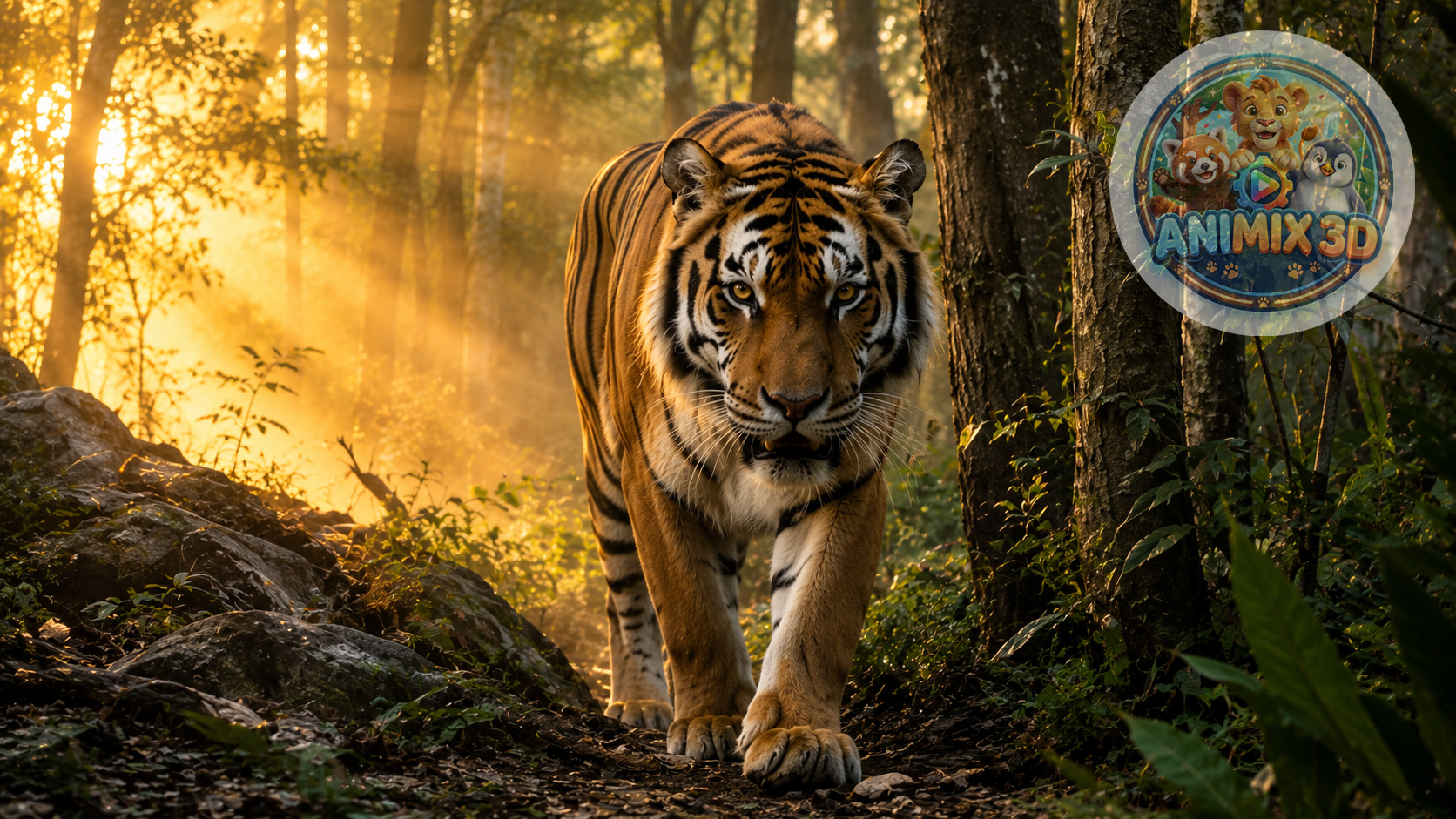
Tigers are among the most powerful and fascinating animals on Earth. Their striking orange coats, black stripes, and impressive hunting abilities have made them symbols of strength and beauty across cultures. However, tigers are much more than magnificent predators. They play an essential role in maintaining the health and balance of ecosystems.
Scientists consider tigers an important apex predator, meaning they sit at the top of the food chain. Their presence affects many other species and helps regulate natural environments. When tiger populations decline, ecosystems can experience significant changes.
Understanding why tigers matter helps reveal why conservation efforts are critical for the future of wildlife and the planet.
Tigers Are Apex Predators
An apex predator occupies the highest level of a food chain.
Unlike prey animals, apex predators have few natural enemies.
Tigers hunt herbivores such as:
- Deer
- Wild boars
- Antelope
- Other medium-sized animals
By controlling prey populations, tigers prevent certain species from becoming too numerous.
Without predators, herbivore populations may grow rapidly and consume excessive vegetation.
This imbalance can damage forests and ecosystems.
Tigers help maintain natural order.
Tigers Support Ecosystem Balance
Every ecosystem depends on balance.
Plants, animals, insects, and microorganisms interact in complex ways.
When tiger populations remain healthy, prey species stay under control.
Balanced prey populations help preserve vegetation.
Healthy vegetation supports:
- Birds
- Small mammals
- Insects
- Pollinators
- Other wildlife species
Removing one key species can create chain reactions throughout ecosystems.
Scientists call these effects trophic cascades.
Tigers indirectly influence entire habitats.
Forest Protection Benefits Everyone
Tigers require large forest habitats for survival.
Protecting tiger populations often means protecting vast areas of forests.
These forests provide benefits beyond wildlife conservation.
Healthy forests help:
- Produce oxygen
- Store carbon
- Prevent soil erosion
- Support clean water systems
- Reduce climate impacts
Because tiger habitats are extensive, conservation programs protect many additional species living in the same regions.
Protecting tigers often protects entire ecosystems.
Tigers Are Umbrella Species
Conservation experts sometimes describe tigers as umbrella species.
An umbrella species is one whose protection indirectly safeguards many other species sharing the same habitat.
For example, protecting a tiger reserve may also help:
- Birds
- Monkeys
- Reptiles
- Plants
- Smaller predators
- Insects
Instead of protecting individual species separately, preserving tiger habitats benefits entire communities of wildlife.
This approach creates broader environmental protection.
Tigers Help Maintain Biodiversity
Biodiversity refers to the variety of living organisms within ecosystems.
Greater biodiversity creates stronger and healthier environments.
Tigers contribute to biodiversity by maintaining population balance among prey animals.
Without predators, excessive grazing or overpopulation could damage ecosystems.
Healthy ecosystems support stability and resilience.
Protecting biodiversity benefits both nature and human populations.
Tigers Also Support Local Economies
Wildlife conservation creates economic opportunities.
Many countries attract visitors interested in seeing tigers in natural habitats.
Wildlife tourism can generate income through:
- National parks
- Nature tours
- Hotels
- Transportation
- Local businesses
Responsible ecotourism encourages habitat preservation and creates financial incentives for conservation.
Healthy tiger populations may support both environmental and economic goals.
Threats Facing Tigers Today
Despite their importance, tiger populations face serious threats.
Major challenges include:
Habitat Loss
Deforestation and expanding human development reduce available habitats.
As forests disappear, tigers lose hunting areas and shelter.
Poaching
Illegal hunting remains a major problem.
Some tigers become targets because of body parts sold through illegal wildlife trade.
Human-Wildlife Conflict
As habitats shrink, encounters between humans and tigers increase.
Conflicts sometimes create risks for both communities and animals.
Declining Prey Populations
Reduced prey availability creates additional survival challenges.
Conservation Efforts Offer Hope
Conservation organizations and governments continue working to protect tiger populations.
Successful efforts include:
- Protected reserves
- Anti-poaching programs
- Habitat restoration
- Community education
- Wildlife monitoring
Some regions have reported encouraging population improvements.
Continued efforts remain essential.
How People Can Help Protect Tigers
Even individuals far from tiger habitats can contribute.
Ways to help include:
- Supporting wildlife conservation organizations
- Learning about endangered species
- Promoting environmental awareness
- Reducing products linked to deforestation
- Supporting responsible ecotourism
Small actions combined globally can create meaningful change.
Final Thoughts
Tigers represent far more than powerful predators.
Their role in ecosystems influences forests, biodiversity, and environmental stability.
By regulating prey populations and protecting habitat balance, tigers support entire ecosystems that benefit countless species—including humans.
Protecting tigers is not simply about saving one animal.
It is about preserving the natural systems that keep our planet healthy.
The future of tigers and the future of ecosystems are deeply connected.
FAQ
Why are tigers called apex predators?
Tigers sit at the top of the food chain and have few natural enemies.
What happens if tigers disappear?
Prey populations may increase excessively and disrupt ecosystem balance.
Are tigers endangered?
Several tiger populations remain endangered due to habitat loss and poaching.
How does tiger conservation help humans?
Protecting tiger habitats preserves forests, biodiversity, and environmental resources.



Leave a Comment