A full tour of Paris

A full tour of Paris can encompass its iconic landmarks, hidden gems, historical sites, and cultural experiences. Here’s a detailed guide for a comprehensive visit to the City of Lights, split into several categories:
Day 1: Iconic Landmarks

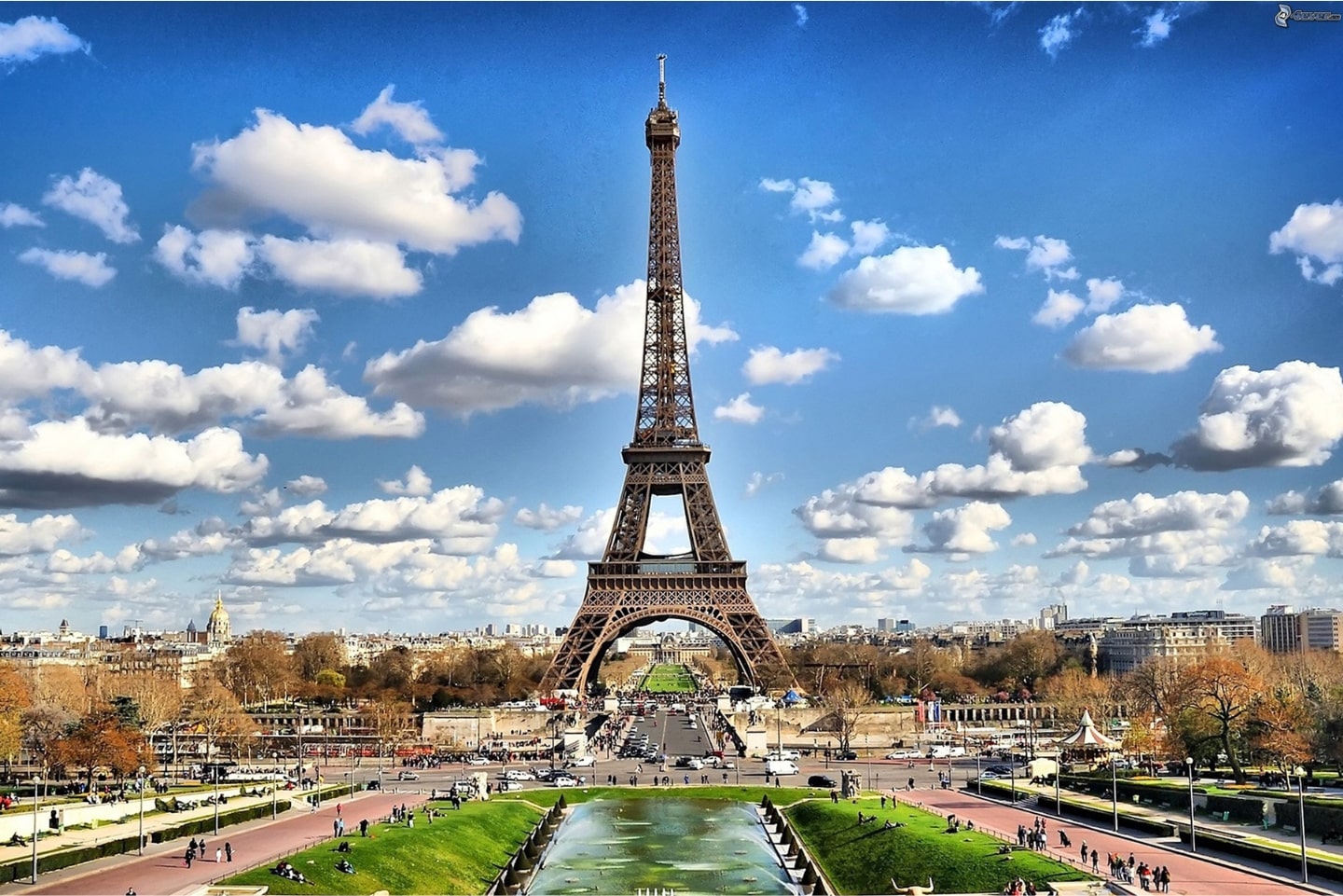
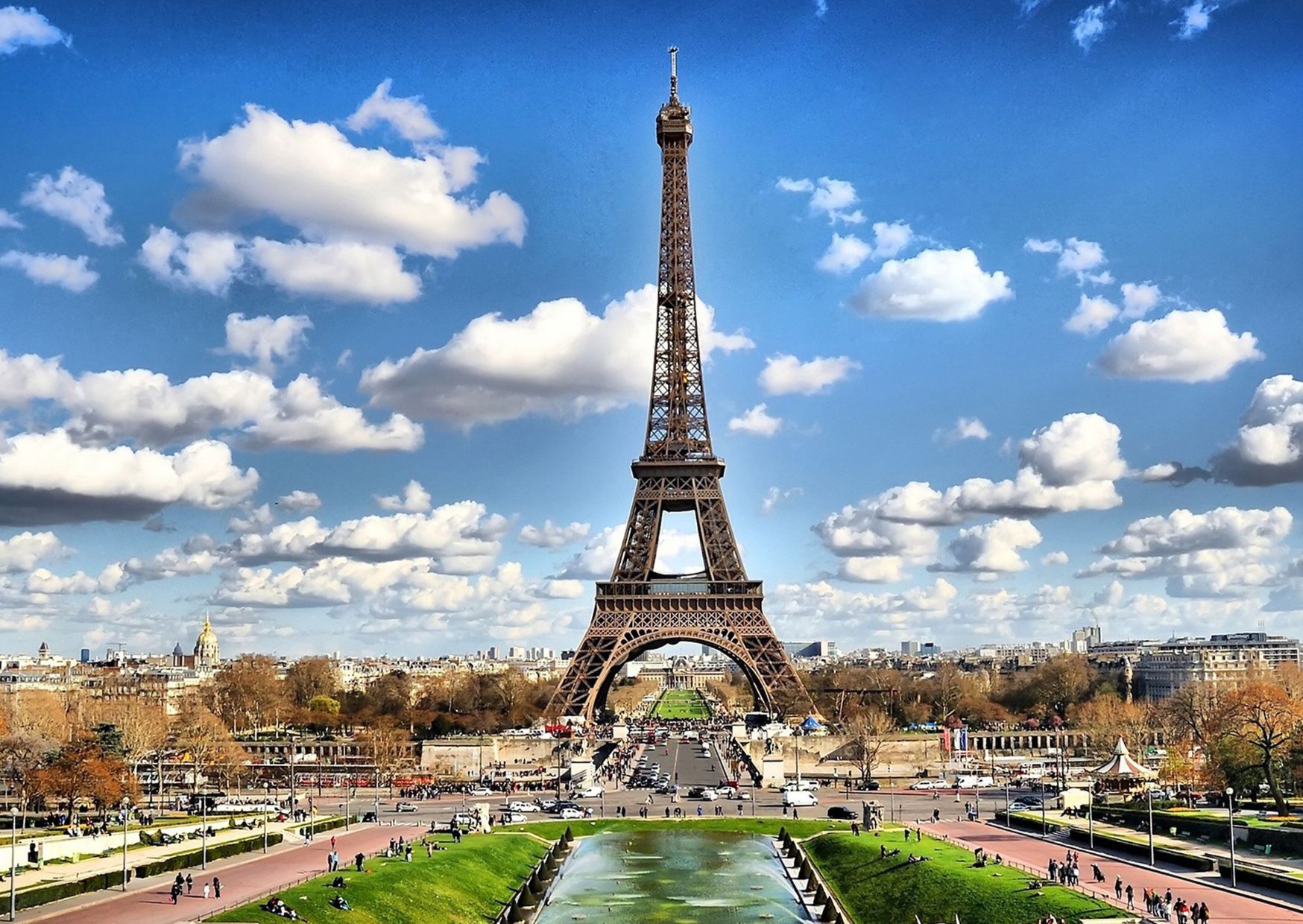
  1. Eiffel Tower:
    • Start your day at the Eiffel Tower, the symbol of Paris. You can climb to the top or take the elevator for stunning views.
    • Tour options: Day and night tours, with champagne at the top.
    • Nearby: Champ de Mars park for relaxation and great photo opportunities.
  2. Trocadéro Gardens:
    • Just across the Seine, offering one of the best views of the Eiffel Tower, especially at sunrise or sunset.
  3. Arc de Triomphe and Champs-Élysées:
    • Walk or drive along the Champs-Élysées, a famous avenue lined with shops, cafes, and theaters. Climb to the top of the Arc de Triomphe for panoramic views of Paris.
  4. Seine River Cruise:
    • A relaxing cruise on the Seine to see Paris from the water, including views of Notre-Dame, the Louvre, and several bridges.
    • Duration: 1-2 hours, available both day and evening.


Day 2: Museums and Culture

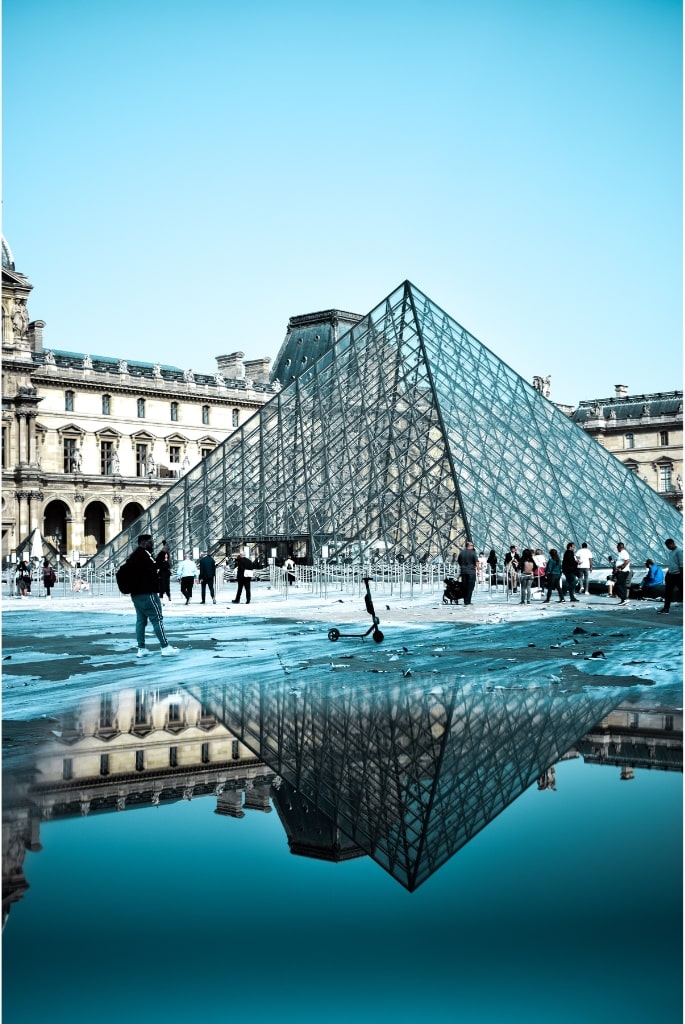
    1. Louvre Museum:
      • One of the largest and most famous museums in the world, home to masterpieces like the Mona Lisa and Venus de Milo.
      • Time needed: 3-4 hours minimum.
      • Tip: Visit early to avoid the crowds.
    2. Musée d’Orsay:
      • A museum housed in a former railway station, featuring impressionist and post-impressionist art by artists like Monet, Van Gogh, and Renoir.
    3. Palais Garnier:
      • Paris’ opera house, known for its opulent architecture. Take a guided tour or see a performance if available.
    4. Place Vendôme:
      • A beautiful square known for luxury shops, and its rich history, it’s perfect for a short stroll.
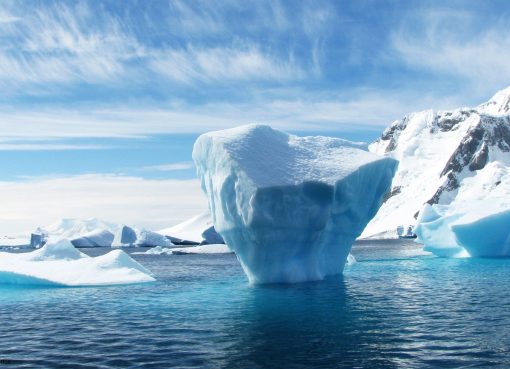
Comprehensive Tour Guide to Antarctica Introduction Antarctica, the southernmost continent, is renowned for its stark beauty, unique wildlife, and pristine landscapes. As the coldest, windiest, and driest continent, it presents a destination like no other for adventurers and nature enthusiasts alike. This guide provides a detailed overview of traveling to Antarctica, covering essential information, itineraries, wildlife, safety, and environmental considerations. 1. Planning Your Trip 1.1 Best Time to Visit The Antarctic travel season runs from late October to early March, coinciding with the Southern Hemisphere’s summer. During this period, temperatures are milder, and wildlife is more active. • October-November: Spring season, with ice melting and penguins nesting. • December-January: Warmest months; perfect for wildlife viewing and longer daylight hours. • February-March: Late summer; ideal for whale watching and seeing penguin chicks. 1.2 Travel Options Traveling to Antarctica typically involves a cruise or guided expedition. Most travelers depart from Ushuaia, Argentina, the southernmost city in the world. • Cruise Ships: Offer varying levels of luxury and comfort, from budget options to luxury liners. • Expedition Ships: Smaller vessels that allow for more intimate exploration and landings. 1.3 Cost Expect to spend between $5,000 and $15,000 per person, depending on the cruise type, length of stay, and onboard amenities. Costs typically include accommodation, meals, and guided tours. 2. Getting There 2.1 Flight to Ushuaia Most trips begin with a flight to Ushuaia. Several airlines connect major cities like Buenos Aires and Santiago to Ushuaia. 2.2 Crossing the Drake Passage Travelers must cross the Drake Passage to reach Antarctica. This stretch of water can be turbulent, but it is a vital route for accessing the continent. 3. Itineraries and Destinations Antarctic itineraries can vary significantly. Here’s a sample itinerary to give an idea of what to expect. Day 1-2: Departure from Ushuaia • Boarding the ship and orientation. • Sail through the Beagle Channel and into the Drake Passage. Day 3-4: Drake Passage • Experience the stunning scenery while at sea. • Attend lectures and presentations about Antarctica’s ecology and history. Day 5-8: Antarctic Peninsula • Land on various islands and sites, including: o Deception Island: A volcanic caldera with hot springs and a historical whaling station. o Half Moon Island: Home to a Gentoo penguin colony. o Lemaire Channel: Known for its breathtaking scenery and wildlife sightings. o Port Lockroy: A former British research station and now a museum. Day 9-10: South Shetland Islands • Visit islands such as: o King George Island: Home to research bases and diverse wildlife. o Livingston Island: Famous for its diverse landscapes and seal populations. Day 11-12: Return Journey • Retrace your path through the Drake Passage, with additional talks and opportunities to observe seabirds and marine life. 4. Wildlife Encounters Antarctica is teeming with unique wildlife, making it a prime destination for animal lovers. 4.1 Penguins • Emperor Penguins: The largest species, found primarily on the sea ice. • Adélie Penguins: Smaller and found along the entire Antarctic coast. • Gentoo Penguins: Known for their bright orange beaks and distinctive white stripe on their heads. 4.2 Seals • Weddell Seals: Often found lounging on ice and known for their ability to dive deep. • Leopard Seals: Recognizable by their spotted coats and predatory nature. • Crabeater Seals: Named for their primary diet of krill. 4.3 Whales Common species include: • Humpback Whales: Known for their acrobatics and songs. • Orcas: Often seen hunting in pods. • Blue Whales: The largest animal on Earth, occasionally spotted. 4.4 Birds • Albatrosses: Majestic seabirds known for their large wingspans. • Petrels: Often seen gliding effortlessly over the waves. 5. Activities and Excursions While onboard, guests can partake in various activities designed to enhance their experience. 5.1 Zodiac Excursions These inflatable boats allow for close-up views of icebergs, seals, and penguins while navigating through the ice. 5.2 Kayaking Guided kayaking excursions offer a unique perspective of the landscape and wildlife. 5.3 Camping Some tours offer overnight camping on the ice for an immersive experience. 5.4 Photography Workshops For photography enthusiasts, onboard workshops and guided excursions can help capture stunning images of the landscape and wildlife. 6. Safety Considerations 6.1 Health Precautions • Medical Facilities: Ships are equipped with basic medical facilities, but it’s wise to carry personal medications. • Travel Insurance: Essential for covering potential medical emergencies and trip cancellations. 6.2 Environmental Safety • Leave No Trace: Adhere to strict environmental guidelines to minimize human impact. • Wildlife Interaction: Maintain a respectful distance from wildlife; do not feed or touch animals. 7. Environmental Responsibility Antarctica is a fragile ecosystem, and responsible tourism is essential to preserving its beauty. 7.1 Guidelines for Visitors • Follow the International Association of Antarctica Tour Operators (IAATO) guidelines. • Stick to designated paths and respect wildlife. 7.2 Climate Change Awareness • Understand the impacts of climate change on polar regions and engage in discussions about conservation efforts. 8. Cultural Insights 8.1 Research Stations • Antarctica is home to numerous research stations operated by different countries. While visiting, learn about the scientific work being done to study climate change and wildlife. 8.2 Historical Context • Explore the rich history of exploration, including the stories of famous explorers like Ernest Shackleton and Robert Falcon Scott. Conclusion A journey to Antarctica is an unforgettable adventure, offering stunning landscapes, unique wildlife, and the chance to explore one of the most remote places on Earth. Proper planning, respect for the environment, and a spirit of adventure will ensure a fulfilling experience in this majestic, icy wilderness. Whether you're cruising through icy waters, observing wildlife, or simply taking in the breathtaking scenery, Antarctica promises to leave a lasting impression. Additional Resources • Books: "Endurance: Shackleton's Incredible Voyage" by Alfred Lansing and "Antarctica: An Intimate Portrait of a Mysterious Continent" by G. J. K. Irwin. • Websites: IAATO for guidelines and safety tips, and expedition cruise companies for itinerary options. Final Tips • Be prepared for changing weather conditions. • Pack appropriately: layers, waterproof clothing, and sturdy footwear. • Embrace the experience; take time to soak in the natural beauty around you. This guide aims to equip you with essential knowledge for your Antarctic adventure, ensuring you’re well-prepared for an awe-inspiring journey to the end of the Earth.
Day 5: Hidden Gems and Day Trips 1. Le Marais: • A trendy district known for its medieval architecture, Jewish history, art galleries, and boutiques. Visit Place des Vosges, a historic square with beautiful arcades. 2. Latin Quarter: • Full of lively cafes, bookstores, and student life near Sorbonne University. Explore the narrow streets and Shakespeare & Co. bookstore. 3. Luxembourg Gardens: • A peaceful park perfect for a morning stroll. Don’t miss the beautiful Luxembourg Palace and its fountains. 4. Day Trip to Versailles: • Versailles Palace, located about 45 minutes from Paris, is a must-see for its extravagant architecture and breathtaking gardens. Plan to spend half a day or more here. ________________________________________ Day 6: Modern Paris 1. La Défense: • Paris' modern business district, with impressive skyscrapers and contemporary art installations. 2. Foundation Louis Vuitton: • A contemporary art museum housed in a stunning modern structure designed by Frank Gehry. 3. Canal Saint-Martin: • A trendy area with cool bars, boutiques, and waterside cafes. Take a boat ride along the canal or enjoy a walk along its banks. 4. Pompidou Centre: • A modern art museum known for its unique inside-out architecture and extensive contemporary art collection. ________________________________________ Day 7: Food and Shopping 1. Le Bon Marché: • One of the oldest and most elegant department stores in Paris. A great spot for high-end shopping and luxury brands. 2. Rue de Rivoli & Les Halles: • A bustling shopping street, with everything from international chains to high-end boutiques. 3. Le Marais Food Tour: • Indulge in a guided food tour of the Le Marais neighborhood to taste local specialties like falafel, pastries, and cheese. 4. Parisian Café Experience: • Relax at a Parisian café like Café de Flore or Les Deux Magots for coffee, people-watching, and traditional French food. ________________________________________ Essential Tips: • Transportation: The Paris Métro is the easiest way to get around. Consider getting a Paris Visite Pass for unlimited travel on public transport. • Language: While many people speak English, basic French phrases can be very helpful. • Timing: Plan your days with some flexibility. Museums and landmarks often have long lines, so booking tickets in advance can save time. • Best Time to Visit: Spring (April-June) and Fall (September-October) for pleasant weather and fewer crowds.

Day 3: Historic Paris

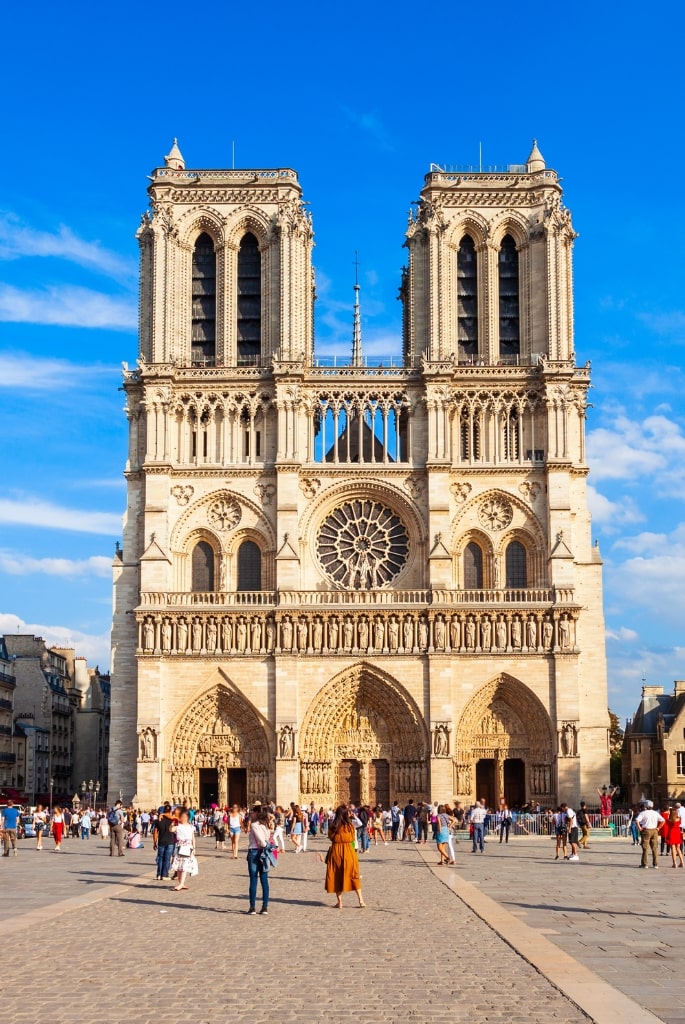
  1. Notre-Dame Cathedral:
    • Visit the Notre-Dame Cathedral (currently under
      restoration) to admire its Gothic architecture. Check the status of tower
      access for panoramic views.
  2. Sainte-Chapelle:
    • A hidden gem near Notre-Dame with stunning stained
      glass windows depicting biblical scenes.
  3. Île de la Cité & Île Saint-Louis:
    • Explore the islands on the Seine. Île de la Cité
      is home to Notre-Dame, while Île Saint-Louis offers charming cafes
      and boutiques.
  4. Pantheon:
    • A neo-classical mausoleum where famous French figures
      like Voltaire, Rousseau, and Marie Curie are buried.


Day 4: Montmartre and Northern Paris

  1. Sacré-Cœur Basilica:
    • At the highest point in Paris, this basilica offers
      breathtaking views of the city. The Montmartre neighborhood around it is
      full of history and bohemian charm.
  2. Place du Tertre:
    • A lively square in Montmartre where artists display
      and sell their work. It’s a great spot for a portrait or souvenir.
  3. Moulin Rouge:
    • Visit the famous cabaret for an evening show or take a
      photo outside during the day.

Day 5: Hidden Gems and Day Trips

  1. Le Marais:
    • A trendy district known for its medieval architecture,
      Jewish history, art galleries, and boutiques. Visit Place des Vosges,
      a historic square with beautiful arcades.
  2. Latin Quarter:
    • Full of lively cafes, bookstores, and student life
      near Sorbonne University. Explore the narrow streets and Shakespeare
      & Co.
      bookstore.
  3. Luxembourg Gardens:
    • A peaceful park perfect for a morning stroll. Don’t
      miss the beautiful Luxembourg Palace and its fountains.
  4. Day Trip to Versailles:
    • Versailles Palace,
      located about 45 minutes from Paris, is a must-see for its extravagant
      architecture and breathtaking gardens. Plan to spend half a day or more
      here.


Day 6: Modern Paris

  1. La Défense:
    • Paris’ modern business district, with impressive
      skyscrapers and contemporary art installations.
  2. Foundation Louis Vuitton:
    • A contemporary art museum housed in a stunning modern
      structure designed by Frank Gehry.
  3. Canal Saint-Martin:
    • A trendy area with cool bars, boutiques, and waterside
      cafes. Take a boat ride along the canal or enjoy a walk along its banks.
  4. Pompidou Centre:
    • A modern art museum known for its unique inside-out
      architecture and extensive contemporary art collection.


Day 7: Food and Shopping

  1. Le Bon Marché:
    • One of the oldest and most elegant department stores
      in Paris. A great spot for high-end shopping and luxury brands.
  2. Rue de Rivoli & Les Halles:
    • A bustling shopping street, with everything from
      international chains to high-end boutiques.
  3. Le Marais Food Tour:
    • Indulge in a guided food tour of the Le Marais
      neighborhood to taste local specialties like falafel, pastries,
      and cheese.
  4. Parisian Café Experience:
    • Relax at a Parisian café like Café de Flore or Les
      Deux Magots
      for coffee, people-watching, and traditional French food.


Essential Tips:

  • Transportation:
    The Paris Métro is the easiest way to get around. Consider getting a Paris
    Visite Pass
    for unlimited travel on public transport.
  • Language:
    While many people speak English, basic French phrases can be very helpful.
  • Timing:
    Plan your days with some flexibility. Museums and landmarks often have
    long lines, so booking tickets in advance can save time.
  • Best Time to Visit:
    Spring (April-June) and Fall (September-October) for pleasant weather and
    fewer crowds.

Leave a Comment

Leave a Reply

Your email address will not be published. Required fields are marked *